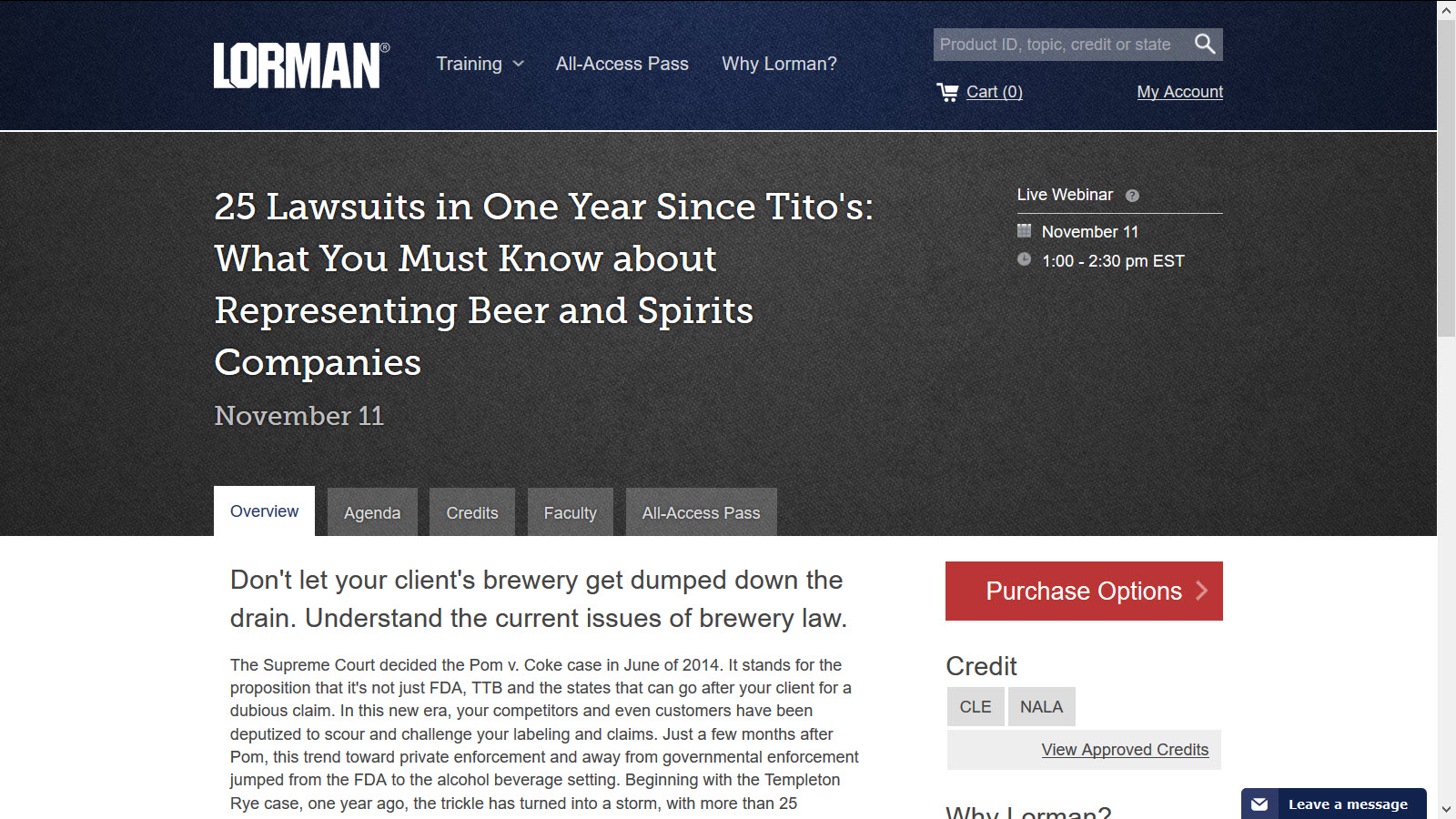
This webinar is today. I should have put this up a long time ago to give you all a chance to sign up. Anyway, it should be great because where else can you get some Tom Cunningham and Simon Fleischmann for less than the cost of a few rounds of fancy cocktails? The signup link is here and it’s not too late to sign up. The topic is all the recent lawsuits like Tito’s, Maker’s Mark, Beam, etc. Tom and Simon are seasoned trial lawyers on the defense side, and I will cover the regulatory issues.
Kombucha Law Hits WSJ, Courts
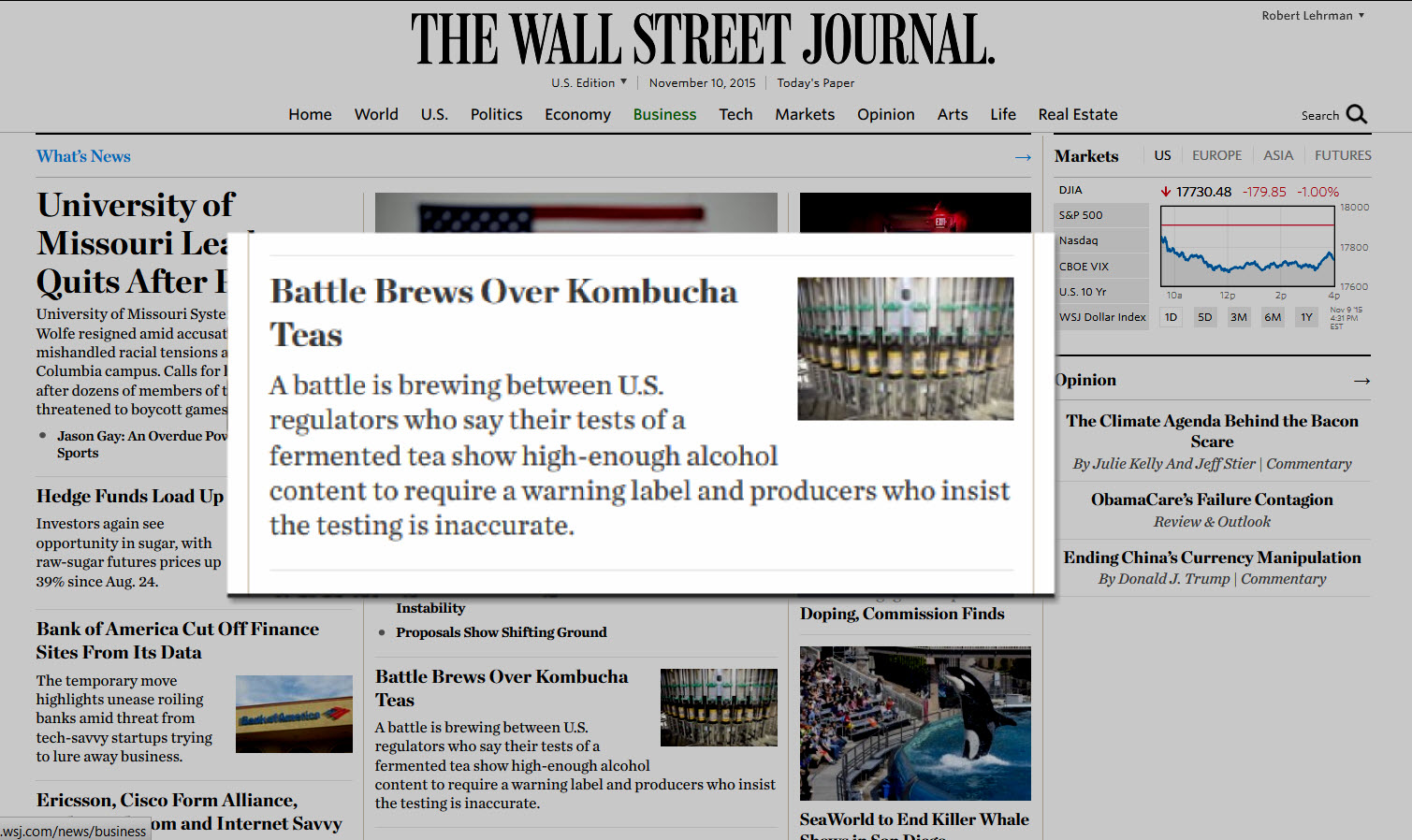
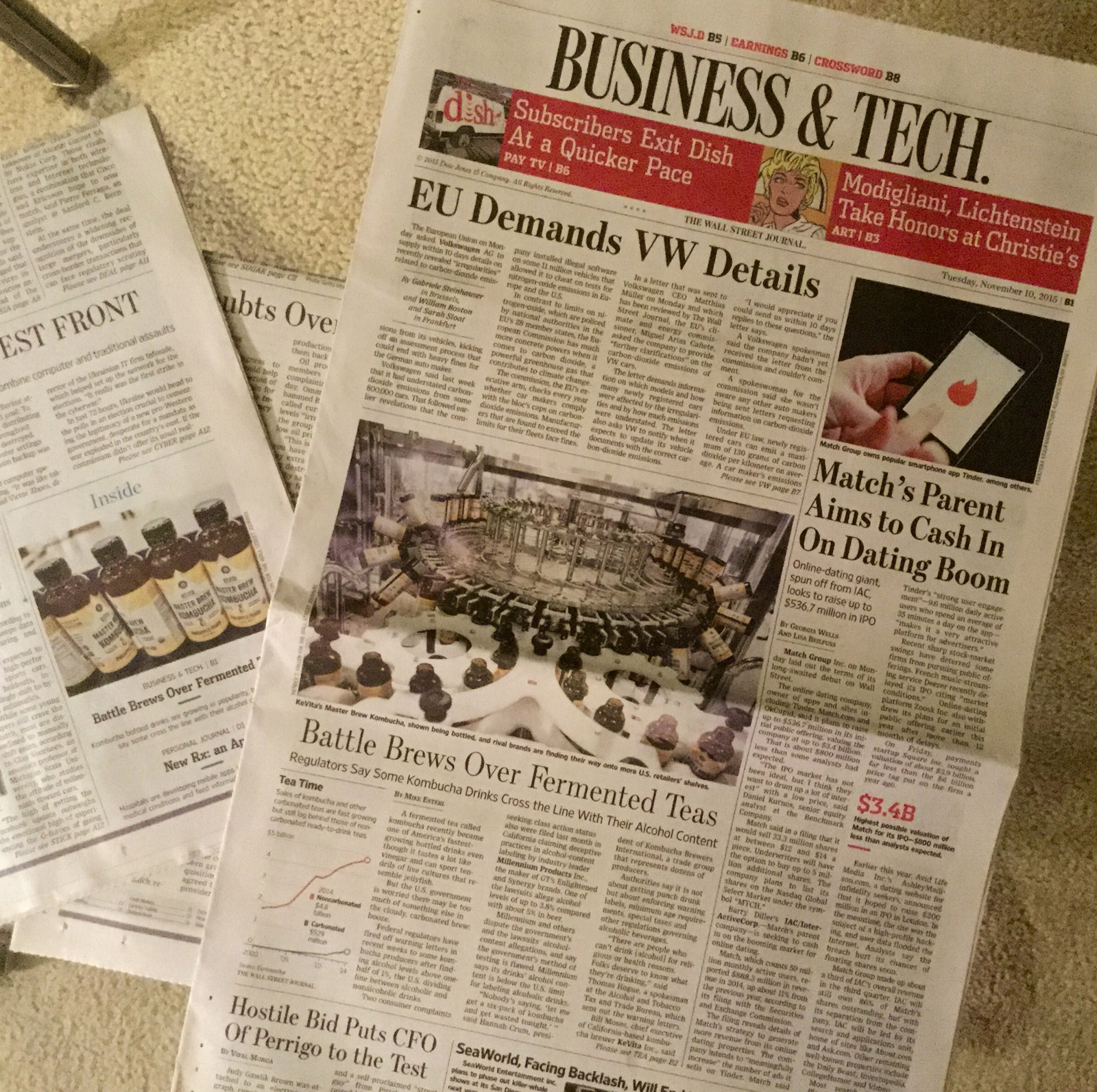
Kombucha law is on the front page of tomorrow’s Wall Street Journal. Because kombucha law is so interlinked with alcohol beverage law, this is to underscore some alcohol beverage points only touched upon lightly in the article (subscription required).
- TTB has decided that most kombucha is beer for tax and permit purposes.
- This is because it is fermented tea. It is beer rather than a “malt beverage” because it lacks hops and malted barley.
- Most kombuchas are over 0.5% alcohol by volume during production, but less than that amount after bottling and at consumption. These can be called over-under kombuchas.
- It is ok for a kombucha to be 0.5% alcohol by volume or higher, after bottling, but only if the product jumps through most of the hoops required for Budweiser. This would include permits, taxes, a Government Warning, no sales to minors, sales via the three tier system. These can be called over-over kombuchas.
- Unlike Budweiser, the legal requirements would not include TTB label approval, because, like gluten free beer, the product lacks the hops and malted barely that would otherwise confer labeling jurisdiction upon TTB.
- Most kombuchas need FDA rather than TTB labeling.
- The article mentions a few recent lawsuits on these topics. So far there are five class action lawsuits. Two of them allege that GT Dave’s Enlightened Kombucha has hundreds of percent more than the legal limit of alcohol, for a product marketed as non-alcoholic. One of them alleges similar for the Health-Ade brand.
- The biggest case is Retta v. Millennium Products, Inc. I say biggest because it is a nationwide class action suit, and it is much farther along in litigation, compared to the other cases. It was first filed in March of 2015 but it was only amended to include the alcohol claims as of October 8, 2015. Before that, the claims were based on allegedly exaggerated anti-oxidant claims. This case is filed in federal court in Los Angeles. The first three pages of the 85-page complaint are here.
- Two other class action lawsuits allege that the same brands grossly understate the amount of sugar.
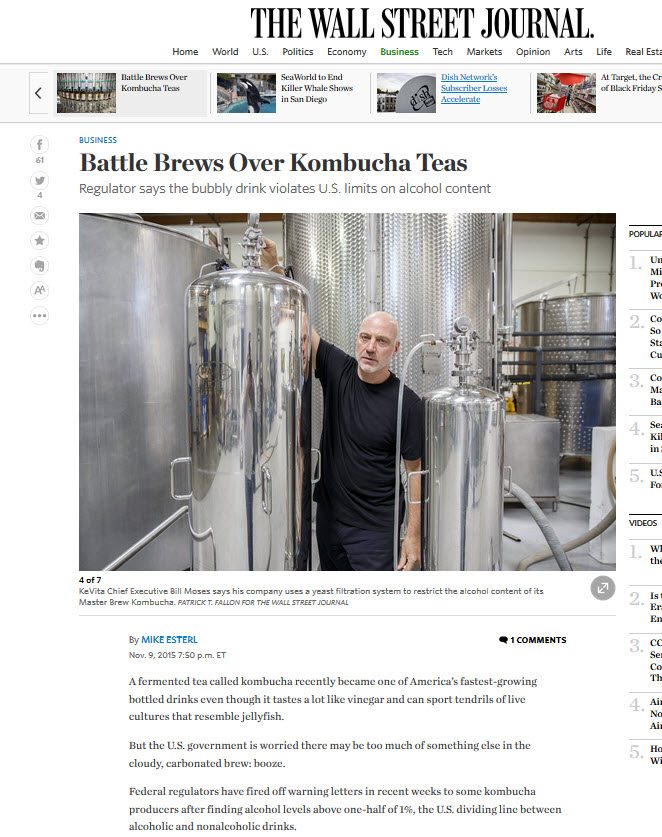 Kombucha raises some great legal issues. Lately I have been saying that kombucha has a lot to do, to catch up with the law, and the law has a lot to do, to catch up with kombucha. For lots more information on this topic, see this post from just a few hours ago, covering a kombucha law webinar of last week. And for lots and lots more information on this topic, see AHPA‘s six or so recent hours of webinars on kombucha law. It was a great pleasure to be part of this webinar series.
For those without a Wall Street Journal handy, here are some juicy excerpts:
Federal regulators have fired off warning letters in recent weeks to some kombucha producers after finding alcohol levels above one-half of 1%, the U.S. dividing line between alcoholic and nonalcoholic drinks.
Two consumer complaints seeking class action status also were filed last month in California claiming deceptive practices in alcohol-content labeling by industry leader Millennium Products Inc., the maker of GT’s Enlightened and Synergy brands. One of the lawsuits allege alcohol levels of up to 3.8% compared with about 5% in beer.
Millennium and others dispute the government’s and the lawsuits’ alcohol-content allegations, and say the government’s method of testing is flawed. Millennium says its drinks’ alcohol content is below the U.S. limit for labeling alcoholic drinks.
And for those without Westlaw, here are some juicy excerpts from the Retta complaint:
Millennium Products, Inc. has passed off millions of bottles of its wildly successful kombucha beverages as non-alcoholic, when, in fact, the beverages contain two to seven times the legal limit for non-alcoholic beverages. Having been caught selling alcoholic kombucha beverages to unsuspecting customers in 2006 and 2010, Millennium decided to market and distribute an alcoholic version of its kombucha products (the “Classic” kombucha line) and a “non-alcoholic” version (the “Enlightened” line), knowing that the non-alcoholic line has a much greater market appeal and could be sold in far more retail locations. But the purported distinction between the “Classic” and “Enlightened” lines is a sham designed to confuse the public and government regulators, as both lines of products contain alcohol levels far surpassing the legal limit for non-alcoholic beverages.
Just like Ben Carson who finds himself newly in the spotlight for good (polls) and bad (almost stabbing a person with other than a scalpel), kombucha has so arrived. It faces the glare of TTB, the courts, the plaintiffs bar, AHPA, the press and Rep. Polis.
Kombucha Law Webinar
Last week I had the honor of participating in AHPA’s webinar on kombucha law. Part of the recording is above and here. The American Herbal Products Association has been active since 1982, and now has more than 300 food, beverage and supplement members. It was an honor because of the eminence of my co-presenters:
- Justin Prochnow, FDA lawyer at Greenberg Traurig, Denver
- Will Garvin, FDA lawyer at Buchanan Ingersoll, Washington
- Peter Evich, Lobbyist, Van Scoyoc Associates, Washington
- Art Libertucci, Consultant, The Buckles Group, Washington
Justin spoke on bottle bills issues. Will covered FDA labeling. Peter covered pending legislative issues. Art helped organize the webinar. I spoke on the various TTB issues raised by kombucha.
It was also an honor because the issues are so timely and challenging. Kombucha is surging in popularity. It raises difficult issues such as:
- is it beer, wine, cereal beverage, malt beverage, food, supplement, or some combination
- what TTB permits may be needed
- does it need FDA or TTB labeling, or both
- what taxes apply
- what penalties may apply, if you blow it
The entire video is about 2 hours, but I have chopped it down to the 30 minutes or so that covers the TTB issues (1-5 as listed above). The entirety, with about 20 minutes of questions and answers, is available from AHPA as here.
FDA Warning Letters
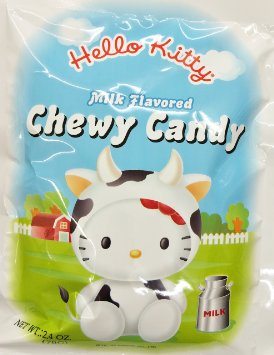 Here is a good and recent Warning Letter from FDA. I say good because it certainly appears to be well written, and to explain the law in a way that is sometimes hard to glean from the boring old regulations. Also, it seems to be a good thing, that we have a government whose first response is to send a firm letter, instead of, for example, some jackbooted thugs. FDA seems to put out a handful of such Warning Letters per month, on food and food labeling.
I am looking at this today because I often wonder why TTB does not get into the Warning Letter business. I think it could be a good way to explain some of the arcane rules so the people who want to comply, have a better chance to do so. Of course, like in so many other areas where TIWWCHNT, another lawyer explained how such letters can badly backfire. He explained that such letters, especially when they are good and clear, tend to serve as a template, for rapacious plaintiff class action lawyers to feast upon.
Here are some useful lessons, from this snapshot/letter, roughly in order of appearance in the letter:
- FDA really does conduct food inspections in far away places such as Japan.
- It is weird to see a US agency going after a foreign producer, because I am so accustomed to other agencies, such as TTB, doing so almost elusively through their licensed importer.
- There is such a thing as Hello Kitty Milk Flavored Chewy Candy.
- FDA likes to bandy about the term “misbranded,” and mentions it 6 times in this 3 page letter. I am getting the impression it is not a good thing.
- Good old wheat is a “major food allergen.”
- The food is misbranded because “it contains information in a second language, Japanese; therefore, all required information must be in both languages (i.e., the English language as well as the foreign language). For example, the Nutrition Facts panel and ingredient statement must be declared in both the foreign language and English.” I have explained this scores of times over the years, to skeptical clients. I have wondered myself, because I see so many labels that don’t seem to bother with this.
- Even on an ingredient as common as sweetened condensed milk, you need to list all the sub-ingredients. That is, “products are misbranded [when they] are fabricated from two or more ingredients and the common or usual name of each ingredient is not declared on the label, as required. …”
- At 4., the letter says you can’t make up your own serving sizes.
- Surprise, surprise, the little kitties don’t meet any known standard to substantiate the “healthy” claim.
Now, for the denouement, what the heck is FDA going to do about it, other than use up some paper? FDA says:
- “We may take further action” if the kitty people blow off the warning, and, for example, tell Customs not to let the candy into the country.
- The company has 15 days to respond.
But compared to 1 and 2, the big hammer, at least potentially, is pushing the company, or its US Agent, to pay for the cost of FDA’s inspection. The letter wraps up by saying:
[The law] authorizes FDA to assess and collect fees to cover FDA’s costs for certain activities, including reinspection-related costs. A reinspection is one or more inspections conducted subsequent to an inspection that identified noncompliance materially related to a food safety requirement of the Act, specifically to determine whether compliance has been achieved. Reinspection-related costs means all expenses, including administrative expenses, incurred in connection with FDA’s arranging, conducting, and evaluating the results of the reinspection and assessing and collecting the reinspection fees. … For a foreign facility, FDA will assess and collect fees for reinspection-related costs from the U.S. Agent for the foreign facility. The inspection noted in this letter identified noncompliance materially related to a food safety requirement of the Act. Accordingly, FDA may assess fees to cover any reinspection-related costs. Please consider providing a copy of this letter to your U.S. Agent.
In a future post, I would like to see how often, and under what circumstances, FDA drops this hammer. From what I can see in the letter, and in my opinion, the tone seems about right. Not too harsh, not too lax. It would be a foolish kitty purveyor that would ignore such a warning.
Nut Sack
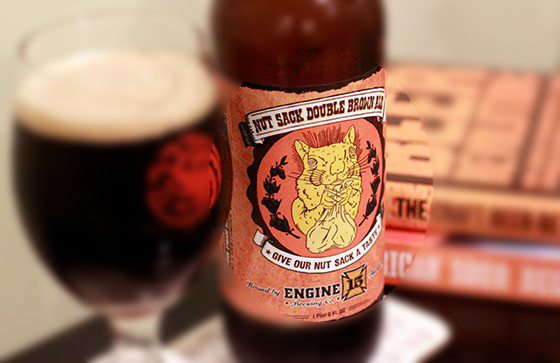
Dan’s Mom will be very proud. Or mortified. He won a big trademark victory today, to make the world safe for nut sacks everywhere.
The US trademark office preliminarily determined that NUT SACK was “immoral” and “scandalous,” as a brand name for beer. Dan went to the mat to protect Engine 15 Brewing Co. and their NUT SACK. The opinion is here (and, ironically, it is much more NSFW than the label itself). In its nether regions it says:
Given the mental images the term “Nut Sack” will likely raise, the weight of the dictionary entries suggests that using this indelicate term may well raise eyebrows at a formal dinner party. On the other hand, in seeking to apply the extremely broad “vulgarity” standard to a slang term, we think it wise to bear foremost in our minds the governing language of the statute (“immoral,” “scandalous”) … . We observe that many slang terms come into the lexicon because the formally correct, clinical word for the thing itself is deemed uncomfortably potent. This seems to be particularly true with respect to parts of the human body, in which case speakers adopt the slang terms precisely because they seem less intense, less indelicate, than the formally correct or technical terminology. Cases of alleged scandalous matter under Section 2(a) of the Lanham Act are rarely simple binary decisions, but involve various shades of grey. With this background, we find that some terms, such as “Nut Sack” appearing within “Nut Sack Double Brown Ale” may seem somewhat taboo in polite company, but are not so shocking or offensive as to be found scandalous within the meaning of the statute.
The TTAB summed up, saying the earlier decision is reversed, and:
We conclude that beer drinkers can cope with Applicant’s mark without suffering meaningful offense. Moreover, the consumer of this product who conjures up body parts or insults is nonetheless still likely to see the mark as an attempt at humor.
I’d better get Dan a t-shirt, at the very least, to commemorate his big victory. I hereby agree to buy up to two t-shirts for Dan, and one for the person who comes up with the best slogan, for the t-shirt and for this defender of the nut sack.
11/3/2015 Update: many thanks to Doug Fairall, beer writer at the New Times Broward-Palm Beach, and TheBeerTaster.com, for letting us use the above photo from this article.
Unsafe Harbor
 There are something like 25 pending lawsuits, about whether various alcohol beverage labels are misleading.
Right there, that should tell you there is not much safe harbor, even though every one of those labels was federally approved, pre-market. Most of the labels were approved many times over many years.
Of course, the first refuge of every defendant is to argue that heavens no, the label can’t possibly be misleading, because the mighty TTB examined and approved it, after all.
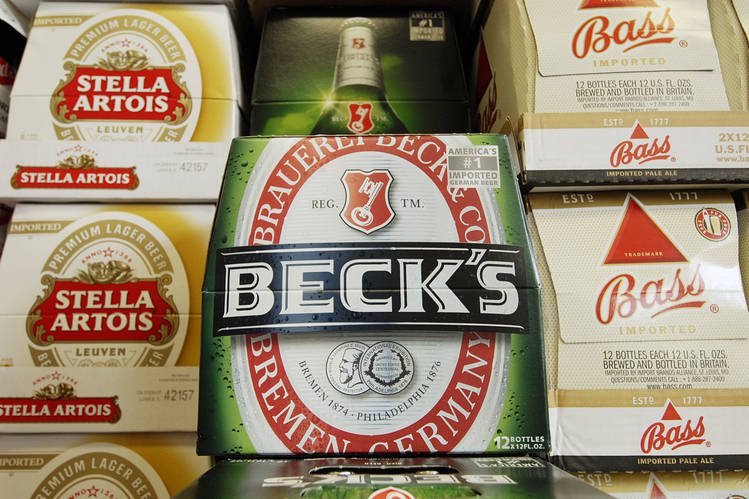
The very recent Beck’s settlement should put this trite notion to rest. Over and over TTB said yeah the Beck’s label is fine, even though it has a bunch of references to Germany and the brand’s history, and even though the beer has been made in the U.S. for many years now. The court approved the settlement on October 20, 2015.
 In my opinion, the harbor should not be any safer than the review is rigorous. To the extent TTB carefully focused on the specific issue in controversy, and ruled on it, according to rigorous standards, that would be a different story. But, by contrast, a quick review and a shot from the hip should not a safe harbor make. I don’t mean to be too critical of TTB or A-B. The same parties can also provide a good example of the very opposite phenomenon, where the review is more probing, and the harbor stood up as safe. The Lime-A-Rita case shows this other side of the coin. In the Lime-A-Rita case, the plaintiffs said the label is deceptive because it refers to (Bud) Light, when in fact the product is loaded with sweeteners and is no paragon of lightness. But A-B beat back this challenge, and rightly so, because in this instance TTB did have good, solid, narrow, relevant, rigorous standards, duly applied by TTB and duly complied with by A-B, and so eureka the many TTB approvals did in fact provide a warm and cozy safe harbor.
TTB has narrow, careful rules around many terms such as “straight,” “estate bottled,” chardonnay, Napa Valley, “Late Harvest.” Thus, these are the types of terms that should provide a safe harbor (when properly used and approved, according to the same rules). But, by contrast, TTB nor anyone else has good, solid, rigorous rules around terms such as craft, handmade, handcrafted, small batch, reserve, etc. — and so it is much less clear that a safe harbor should apply. It is true that the terms could be puff, in the absence of such rules, but who ever said it is either black or white, puff or not, all or nothing? Surely there are some terms somewhere in the middle, neither pure opinion nor hard fact. I do agree that many label terms do gravitate toward one pole or the other, and I do agree that such terms should be protected, as either puff or within a safe harbor. But we still need a good plan for the terms somewhere in the middle. Maybe TTB should develop and apply some rigorous rules on such. Or maybe the companies that want to use them should explain what they mean by them, to put them in a comprehensible context.
One more example should make the point. Templeton Rye, like Beck’s, Bass, Kirin and many others, also of course had TTB-approved labels. This did not stop the lawsuits or provide any safe harbor. If there were a safe harbor to be found, anywhere near these controversies, the defense lawyers certainly would have found it.
The Beck’s case underscores one other quandary. It is hard for me to understand how it can be a good, long-term business plan, to take the Beck’s brand, known for being German if nothing else, and blur the life out of it by making it elsewhere. The penalty within the lawsuit is something like $28 million, but the obliteration of the Beck’s identity seems far more expensive in the long term. A-B paid a couple billion dollars for the brand in 2012. I can only assume it is short-term, quarter-to-quarter, propping up the numbers, Wall Street thinking, designed to enrich the near-term stakeholders, at the expense of those who arrive at the punch bowl later.