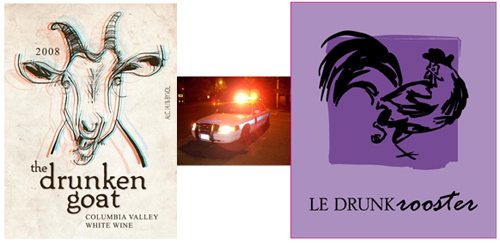
TTB typically does not allow wine labels to say much about the alcohol content or strength — except in the normal alcohol by volume statement. So we were surprised that The Drunken Goat, and his n’er-do-well friend, Le Drunk Rooster, would show up on a couple of wine labels. We pretty much expected them to show up, sooner or later, on a spirits label. But not on a wine or beer label, where TTB has historically and fairly vigorously discouraged alcohol content claims. While the goat and rooster are carousing around, notable is the absence of any drunk humans out and about on approved labels. Unless you count this guy, the toothless fellow on the label for Rocky Mountain Moonshine Sippin’ Hooch. It is distilled from beets and the label suggests “Once tasted, you too will become hooked!” Box 19 surprisingly declares that “The man is no longer ‘drunk’ appearing.” If he’s sober I’d like to see the other version.
Continue Reading Leave a Commentpolicy
Is Beer the New Wine?

At a 2009 National Alcohol Beverage Control Association (NABCA) panel discussion, Boston Beer Company’s Jim Koch boldly proclaimed that “beer is the new wine.” According to Wine and Spirits Daily, Koch said:
With the emergence of the new mentality about beer driven by small craft brewers, America is starting to create a beer culture in the same way America has created a wine culture.
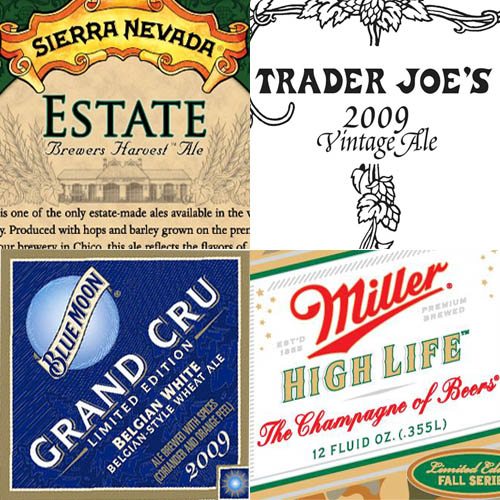
Is Koch right? The labels tell part of the story. Lately there are many examples of beer labels with terms and elements formerly associated only with wine. First is Sierra Nevada’s Estate Brewer’s Harvest Ale. TTB sets forth strict rules for wine labeled with the word “estate.” One such rule is that the wine must be produced from grapes grown on land owned or controlled by the bottling winery. According to Greg Kitsock of the Washington Post, Sierra Nevada produces their Estate Ale with hops and barley grown only at their brewery in Chico. The label adds that “this ale reflects the flavors of our surroundings in California’s fertile Central Valley.” Second is Trader Joe’s 2009 Vintage Ale, produced by Unibroue of Canada. For wine labels, it is clear that a vintage date means one thing: the year in which the grapes were harvested. What exactly does it mean...
Continue Reading Leave a CommentTags: business strategy, hybrid, policy
P*rt Wine

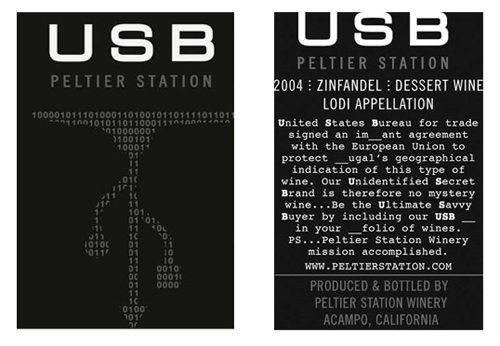
If you are lucky enough to have a wine approved before 2006, you can call it Port. But if it’s made outside Portugal and you don’t have an approval before 2006, you are out of luck and will have to find another name. Schatz Farms went so far as to show a “USB port” and call it “USB” when foreclosed from simply calling their Lodi dessert wine “Port.” The label says the US:
signed an im____ant agreement with the European Union to protect ____ugal’s geographical indication of this type of wine. Our Unidentified Secret Brand is therefore no mystery wine. . . .
Kobalt refrained from calling their Napa Valley dessert wine “Port” and instead described it as “wine made in the same ‘old world tradition’ as that of the country to the west of Spain.” Another example is here: Not Starboard. By contrast, for an example of a California wine “grandfathered” and therefore able to brandish the term Port, there is Portacinco Port. TTB approved it with this qualification:
Continue Reading Leave a CommentApproved under the “Grandfather” Provision of the Agreement between the U.S. and the EC on Trade in Wine, by enacting the Tax Relief and Health Care Act of 2006, signed on 12/20/2006.
Tags: international, policy
Energy Beer

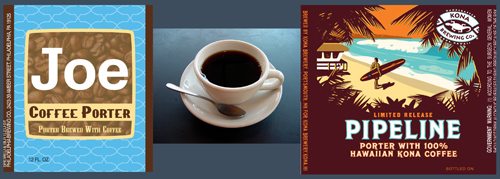
TTB is not likely to allow anything labeled as “energy beer” anytime soon. But that doesn’t mean there is any shortage of beer tinged with caffeine. Notwithstanding the demise of Sparks and Tilt, there is a big upsurge in beers with added caffeine, guarana, tea, yerba mate — and coffee. Today, coffee. Pipeline Porter is made with 100% Hawaiian Kona Coffee according to the label. Joe is brewed with coffee, by Philadelphia Brewing Company of Philadelphia, Pennsylvania. Yeti is stout aged on oak chips with coffee added. The front label pretty much suggests serving it with breakfast. None of these labels mention energy, stimulants, caffeine, or the amount of caffeine, so the consumer is left to guess. My grandpa Joe never dreamed of beer mixed with coffee or any other alcohol beverage that would perk him up.
Continue Reading Leave a CommentTags: caffeine/secondary effects, ingredients, legally interesting/controversial, policy
Phony Controversy Du Jour

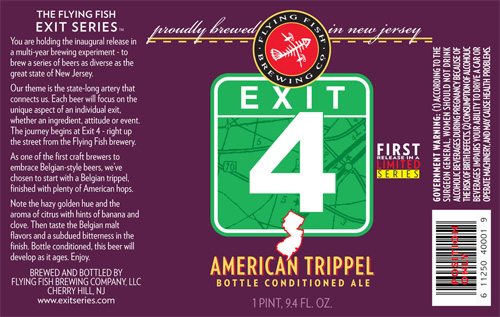
Maybe the world is not in such a sorry state after all, if there is room for outrage about a few beers named after exits on the New Jersey Turnpike. Various media report that MADD was alarmed about Flying Fish Brewing Company’s new Exit 4 beer, named after the nearest highway exit. Google already has well over 8,000 hits for this puny controversy. MADD is apparently concerned about linking driving with drinking, or condoning the same. But even the most cursory review shows that the link here, and the impropriety, are tenuous to put it mildly. Speaking of tenuous connections, it will be difficult for Flying Fish to find a connection between the unique aspects of 29 exits, and 29 distinctive beers. This is well evidenced by Exit 11, the second in the series; the connection is that both relate to … a confluence. Plenty of other labels highlight a highway or exit. Side Pocket Foods has about 10 Exit 172 labels. This Weibel wine celebrates Route 66, and this Oak Ridge wine pays homage to Route 88. And here is Route 3 Chardonnay. There is no reason for MADD to be alarmed about any of them.
Continue Reading Leave a CommentIntoxicating Candy: Part Two

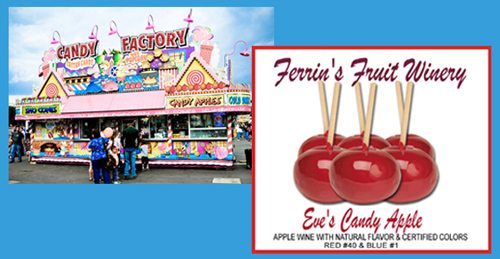
In the last post we showed a couple of bubble gum flavored spirits products. Today we have a handful of other candy-related alcohol beverage products, showing that there is no shortage of candy-themed adult beverages. Bols has Candy Cane Liqueur. Ferrin’s has Candy Apple wine. BPNC has a cotton candy cocktail. Baileys has a caramel liqueur. And Crater Lake has “Candy in a Bottle” wine. If the adults, ID, Warning and taste don’t stop the juveniles, maybe the over $10 price will.
Continue Reading Leave a CommentTags: legally interesting/controversial, policy, unlikely combinations


